
Dead trees endanger ecosystems, property, and public safety. Eliminating them stops mishaps, stops the spread of illness, and safeguards the environment. Maintaining a safe and healthy landscape requires knowing how to spot dead trees, comprehending their causes, and using safe, moral removal techniques. Tree removal services play a crucial role in safeguarding your property, preventing potential hazards and promoting the overall health of your landscape. Learn the essential procedures for effectively removing dead trees right now.
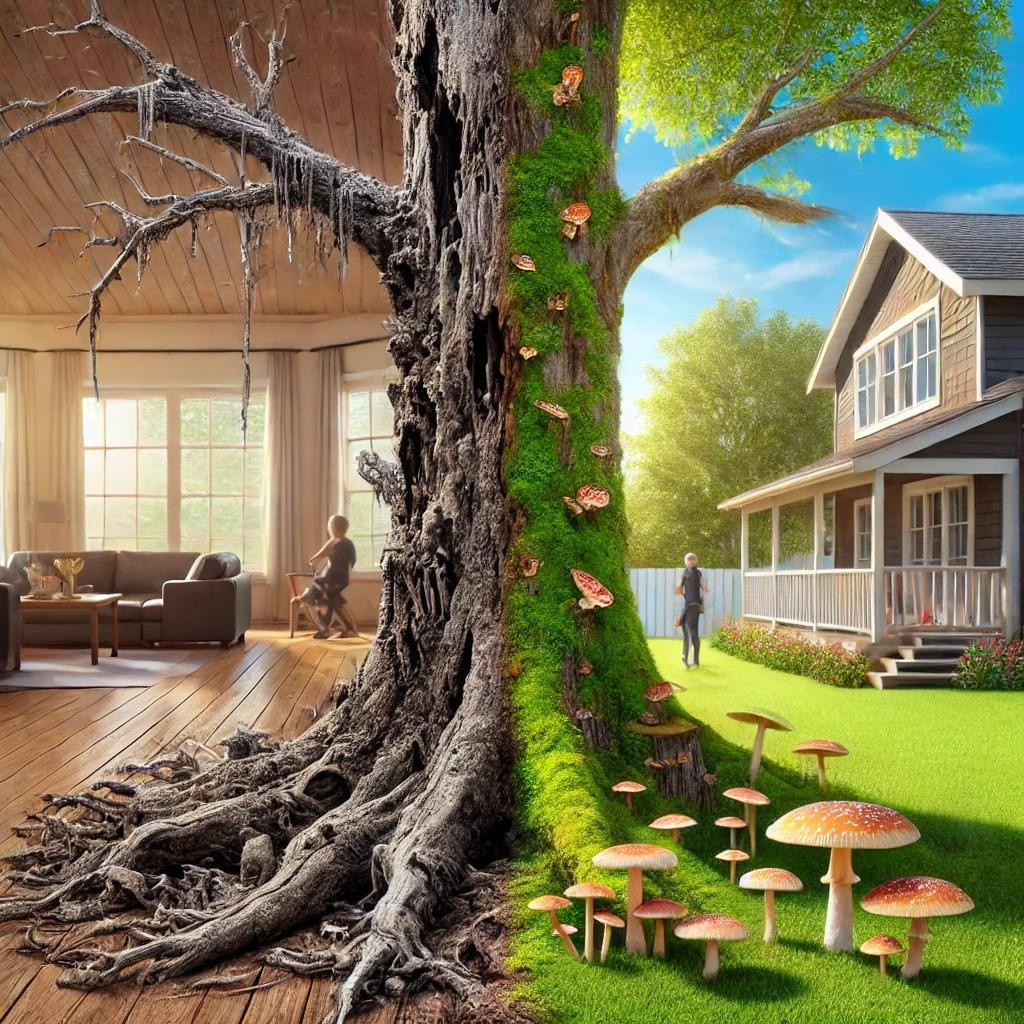
Signs of a Dead Tree
Recognizing dead trees is essential for promptly addressing possible risks. Keep an eye out for these warning indicators:
- No Greenery: A tree is probably dead if it does not have any green buds or leaves during the growing season.
- Peeling or Cracked Bark: Decay is indicated by bark that flakes or falls off.
- Brittle Branches: Dead branches are rigid and brittle, breaking readily.
- Fungi or Mushrooms: Internal rot is frequently indicated by the growth of fungi or mushrooms on the trunk.
- No New Growth or Shoots: A tree is no longer healthy if it does not produce new leaves or branches.
- Brittle or Hollow Wood: The structure of the tree may be weakened by the decaying wood within.
- Tilting or Leaning: A tree that has weak roots is more likely to become unstable and topple over.
Common Causes of Tree Death
- Water Stress: Trees that do not get enough water experience stress and eventually die.
- Bad Soil Conditions: Trees are weakened by inadequate drainage and low nitrogen levels.
- Pests: Trees can be internally destroyed by insects such as borers and beetles.
- Diseases: Infections and fungi erode a tree’s structural stability.
- Poor Planting or Pruning: Growth might be impeded by improper methods or positioning.
- Extreme Weather: Trees can be harmed by extreme heat or cold.
- Air pollution: When pollutants harm trees, photosynthesis is disrupted.
Why You Should Remove a Dead Tree
- Prevents Unintentional Falls: Dead trees are brittle and prone to falling, which could result in harm or destruction.
- Prevents Falling Branches: During storms, weak branches may break, posing a risk.
- Prevents Infestation of Pests: Insects drawn to dead trees have the potential to damage neighbouring vegetation.
- Prevents the Spread of Disease: Healthy trees can become infected by fungi and pests on dead ones.
- Increases Property Value: Eliminating ugly dead trees improves safety and curbs appeal.
How to Safely Remove a Dead Tree
To guarantee efficiency and safety, dead tree removal needs to be carefully planned and carried out. Here is a comprehensive approach to handling the situation if you have discovered a dead tree on your property:
1. Assess the Area:
To guarantee safety throughout the removal procedure, start by assessing the surrounding area.
- Look for Structures: To prevent unintentional damage, take note of how close the tree is to any buildings, fences, or sheds.
- Power Lines: To reduce the risk of electrocution, find out if the tree is close to any power lines. If so, professional assistance may be necessary.
- Clear the Work Zone: Get everything out of the area around the tree, including tools, cars, and outdoor furniture.
- Escape Route: Make sure you have a clear route out in case the tree falls unexpectedly.
2. Prepare Tools and Safety Gear:
To reduce dangers when removing trees, the right equipment and safety clothing are crucial.
- Safety Gear: If you are working at a height, make sure you have a hard hat, safety goggles, gloves, ear protection, steel-toe boots, and a harness.
- Tools: Make use of pruning shears, ropes, wedges, and a sturdy chainsaw. Before beginning, make sure all of the tools are in good operating order.
- Assistants: Keep someone close by to offer assistance or to contact for assistance if necessary.
3. Cut Lower Branches:
To minimize weight and injury risk, cut off the minor branches before attempting the main trunk.
- Start Low: Cut off branches close to the ground to start low.
- Controlled Cuts: First, make an undercut on the branch to prevent it from falling, and then make a top cut.
- Dispose of Branches: Branch disposal options include stacking branches for future use as firewood or using a wood chipper.
4. Fell the Main Trunk:
The most crucial and risky step in the procedure is removing the main trunk. Pay close attention to these steps:
- Plan the Fall Direction: Determine the tree’s natural inclination or decide on a secure fall path. In that direction, clear the area.
- Cut in a Directional Way:
-
-
- Face Cut: On the side facing the direction of the intended fall, make a wedge-shaped cut. A third or so of the wedge should enter the trunk.
- Back Cut: Cut horizontally just above the bottom of the wedge cut on the other side of the trunk. The tree will fall safely with this guidance.
-
- Quickly retreat: As soon as the tree starts to fall, move back along your escape path while remaining vigilant.
5. Remove the Stump:
Clear the area for future usage by dealing with the stump once the tree has been cut down.
- Stump Grinder: To make it simpler to replant or cover with dirt, use a stump grinder to grind the stump below ground level.
- Chemical Treatment: To hasten deterioration, apply a chemical that removes stumps. Although slower, this approach requires less work.
- Manual Removal: For smaller stumps, dig around the roots and remove the stump by hand using an axe or shovel.
Cost of Dead Tree Removal
The cost, which normally ranges from $300 to $2,500, varies according to the size and location of the tree. For precise estimates, get quotes from nearby arborists.
Prevent Future Tree Deaths
Water and fertilize your trees on a regular basis.
- Quickly trim any dead branches.
- Keep roots safe.
- Keep an eye out for illnesses and pests on trees.
Why Choose Professionals for Dead Tree Removal?
Although it may seem like you can do it yourself, removing a dead tree is actually much more difficult and dangerous than it seems. Here are some reasons why hiring experts is a wise, secure, and effective decision:
1. Safety First:
Removing dead trees is risky by nature. Dead wood increases the likelihood of falling branches or an uncontrollably collapsed trunk since it is brittle and unpredictable. Experts are taught to:
- Examine potential hazards, such as sagging trunks, weak roots, and closeness to buildings or electricity lines.
- Reduce the risks throughout the removal procedure by using the right methods and equipment.
- Observe safety precautions to safeguard your property and yourself.
Without the necessary expertise, attempting to remove a dead tree could cause property damage, personal injury, or worse.
2. Specialized Tools and Equipment:
Experts have access to cutting-edge tools, such as:
- Ropes, chainsaws, and stump grinders for controlled felling and accurate cutting.
- Trees that are tall or difficult to reach can be reached with hydraulic lifts.
- Wood chippers for effective disposal of waste.
Professionals are the best option for conducting complicated removals because these tools require experience and training to operate properly.
3. Expertise in Tree Health and Ecosystem Care:
In addition to removing trees, certified arborists are knowledgeable with the science underlying tree health and how it affects your environment as a whole. They are able to:
- Determine if a tree can be saved by therapy or if it is actually dead.
- Suggest ways to stop diseases from spreading from a dead tree to the nearby vegetation.
- Give advice on how to keep a healthy ecology and plant fresh trees.
Their knowledge guarantees that the removal procedure will improve your landscaping over time
4. Efficiency and Convenience:
It takes a lot of time and physical effort to remove trees. The process is streamlined by experts by:
- Making a safe removal plan and evaluating the situation as soon as possible.
- Managing cleanup, which includes disposing of garbage, grinding stumps, and chipping branches.
- Avoiding the time, stress, and physical strain that come with doing it yourself.
Professionals can take care of the hard lifting while you concentrate on other important tasks.
5. Liability and Insurance Protection:
Tree removal can result in accidents, particularly if someone with little experience tries to do it. Reputable tree care companies have insurance, which implies:
- If you are hurt during the removal or your property is damaged, you will not be held financially liable.
- The task will be accomplished with professionalism and accountability.
Do-it-yourself removal may expose you to liability for any harm or damage sustained during the procedure.
6. Long-Term Benefits for Your Landscape:
In addition to removal, experts provide services that improve the safety and aesthetics of your property, such as:
- Pruning and trimming: Keeping your surviving trees looking good and healthy.
- Treating disease: Taking care of early symptoms in surrounding plants.
- Tree Planting Advice: Assisting you in selecting and properly planting the appropriate trees for your area.
These extra services help create a lively, flourishing environment that raises the value of your house.
Why Choose Dynasty Tree Experts?
Dynasty Tree Experts offers superior tree care services by fusing safety, knowledge, and commitment:
- Comprehensive Offerings: We take care of all your tree care requirements, including disease treatment, pruning, trimming, and the removal of dead trees.
- Certified Arborists: Our staff has the skills and resources necessary to safely and effectively manage even the most difficult tree removal tasks.
- Customer-focused strategy: Your pleasure is our top priority, and we make sure every task is completed to the best possible standard.
Trust the experts at Dynasty Tree Experts to preserve your property and landscape instead of taking any chances with dead trees. For a greener, safer tomorrow, get in touch with us now!
CONCLUSION
Dead trees seriously jeopardize the wellbeing of nearby ecosystems, your safety, and your property. By taking proactive measures to remove dead trees, you can avoid mishaps, stop the spread of illnesses, and maintain the long-term health of your environment. Timely action is essential to preserving a vibrant environment, from recognizing the warning indications of a failing tree to putting safe and moral removal procedures into place.
Employing the skills of professional arborists guarantees that the task is completed effectively, safely, and with the least amount of disturbance, even when small-scale removals may appear doable. Professionals use their specialized equipment and extensive knowledge to protect your property and support a more robust ecology.
Do not wait; take care of dead tree problems as soon as possible to save your house, your landscaping, and your peace of mind. Dynasty Tree Experts is ready to assist you in making your future safer and more environmentally friendly, whether it means removing, pruning, or planting trees. Get in touch now!