
If you own property in the Twin Cities, you know how quickly trees can get out of hand. Between summer storms, winter ice, and fast-growing maples, tree trimming is an essential part of keeping your yard safe and beautiful. The right tools not only make the job easier but also protect your trees from damage and keep you safe while working.
Here are the eight best tools for tree trimming, plus tips for caring for them and knowing when it’s time to call a pro.
8 Best Tools for Tree Trimming You Need
Hand Pruners (Secateurs)
Hand pruners are your go-to for small branches and twigs, usually under ¾-inch thick. They give you precision and control for shaping shrubs, cutting suckers, or removing dead growth.
- Bypass pruners: Work like scissors for clean cuts on live wood.
- Anvil pruners: Better for dry or brittle branches.
Quick Comparison
Type | Best For | Cut Quality | Effort Level |
Bypass | Green, live wood | Clean | Low |
Anvil | Dead branches | Crushed edge | Medium |
Loppers
For branches up to 2 inches thick, loppers provide leverage with long handles so you don’t wear yourself out. They’re especially helpful for cutting higher branches without a ladder. Look for lightweight aluminum handles if you’ll be working for long stretches.
Pruning Saws
When loppers aren’t enough, a pruning saw steps in. These saws have curved blades that cut on the pull stroke, making them efficient for thicker branches.
- Folding saws: Easy to carry for small jobs.
- Bow saws: Handle bigger cuts but require space to maneuver.
- Chainsaws: Best left to experienced DIYers or professionals when cutting large limbs.
Hedge Shears
Hedge shears aren’t for big branches, but they’re perfect for shaping hedges, ornamental shrubs, or smaller trees around patios and walkways. You can choose between manual shears (quiet, precise) or electric/battery-powered options for speed.
Pole Pruners and Pole Saws
Minnesota yards often include tall trees, and pole pruners make it possible to reach higher branches without climbing.
- Manual pole pruners are great for smaller branches.
- Powered pole saws can handle thicker limbs but require careful control.
Pole Pruner Quick Guide
Pole Length | Best For | Max Branch Size |
6–10 ft | Small backyard trees | 1–1.5 in |
10–14 ft | Larger suburban trees | 2 in |
Wedge
If you’re cutting larger branches or felling a small tree, a simple plastic or metal wedge helps guide the fall. Wedges prevent your saw from getting pinched in the cut and keep heavy branches from falling the wrong way.
Climbing and Rigging Safety Equipment
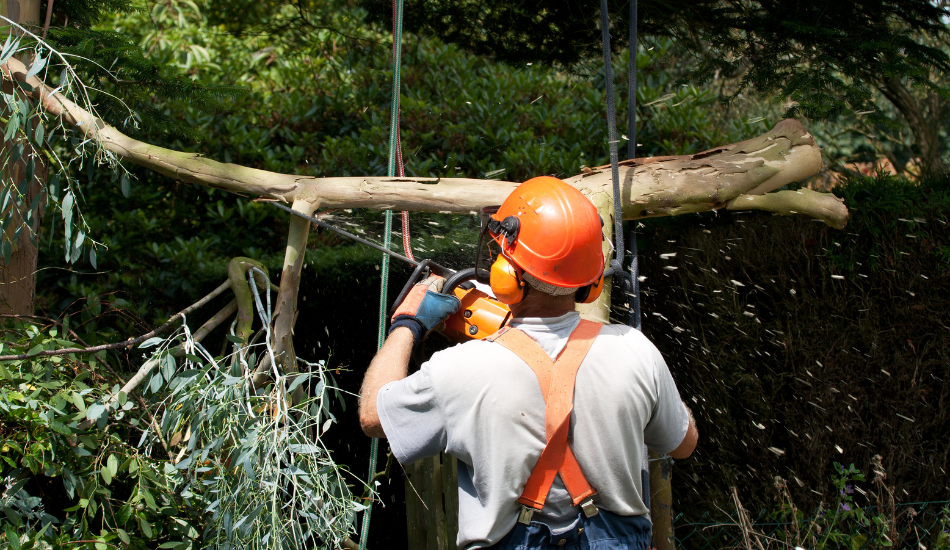
Climbing harnesses, ropes, and helmets are part of professional gear for a reason. If you’re attempting more advanced tree work, safety equipment is non-negotiable. That said, most homeowners are better off leaving climbing and rigging to certified arborists. Falls are the leading cause of injury in tree care work.
PPE (Personal Protective Equipment)
Even for basic pruning, you’ll need safety gear. At minimum:
- Gloves – protect hands from blisters and cuts
- Safety goggles – keep sawdust and debris out of your eyes
- Helmet – essential for overhead work
- Ear protection – for chainsaws or powered tools
- Steel-toe boots – prevent foot injuries from falling branches
Why Is It Important to Have the Proper Tools?
Using the right tool does more than save effort — it protects your trees. A sharp bypass pruner makes a clean cut that heals quickly, while using dull or mismatched tools can tear bark and leave trees vulnerable to disease.
The wrong tool can also lead to accidents. For example, standing on a ladder with a chainsaw is one of the most dangerous DIY mistakes a homeowner can make. Proper tools mean safer, faster, and healthier trimming.
Maintenance and Care of Tools
Your tools will last years longer — and cut better — with simple upkeep:
Sharpening
Keep blades sharp for clean cuts. Use a sharpening stone or file on pruners, loppers, and saws.
Sanitizing & Disinfecting
Diseases like oak wilt or Dutch elm disease can spread on dirty tools. Wipe blades with rubbing alcohol or a 10% bleach solution between trees.
Cleaning & Care
After use, clean off sap and debris, dry thoroughly, and apply a light coat of oil to prevent rust. Store in a dry, cool place.
When to Hire a Tree Care Professional in Minnesota
Some jobs are simply too risky for DIY. Hire a professional if:
- The branch is near power lines
- The tree is damaged by ice, lightning, or storm winds
- You need to climb or use rigging equipment
- The tree shows signs of disease or infestation (e.g., emerald ash borer in Minnesota ash trees)
Tree care pros bring not only expertise but also professional-grade equipment that gets the job done faster and safer.
Conclusion
The right tree trimming tools can make yard work manageable while protecting your trees and keeping you safe. From hand pruners for delicate cuts to pole saws for hard-to-reach branches, each tool has its place.
At Dynasty Tree Experts, we use top-quality equipment and years of expertise to handle trimming, pruning, and tree health services across Minnetonka and the Twin Cities. For storm-damaged trees, large removals, or simply peace of mind, let our team take the risk off your hands. Contact us today to keep your trees safe, healthy, and beautiful.